
Engineering Courses
August 18, 2026 2026-10-24 16:32Engineering Courses
Engineering Courses
Dive Into Engineering Courses

Civil Engineering
1–4 Years • UG & PG
Civil Engineering
What You’ll Learn
- Study structural analysis, infrastructure design, and urban planning at a global level
- Apply advanced engineering principles to large-scale construction and development projects
- Build a career in infrastructure, transportation, and environmental engineering worldwide

Chemical Engineering
1–4 Years • UG & PG
Chemical Engineering
What You’ll Learn
- Develop expertise in process design, industrial chemistry, and reaction engineering
- Apply technical knowledge across pharmaceuticals, petrochemicals, and energy sectors
- Access high-demand roles in R&D, production management, and sustainable engineering

Aerospace Engineering
1–4 Years • UG & PG
Aerospace Engineering
What You’ll Learn
- Study aerodynamics, propulsion systems, and spacecraft design at world-class institutions
- Access cutting-edge research facilities linked to global aviation and defence organisations
- Build direct pathways into the international aerospace and space technology industries
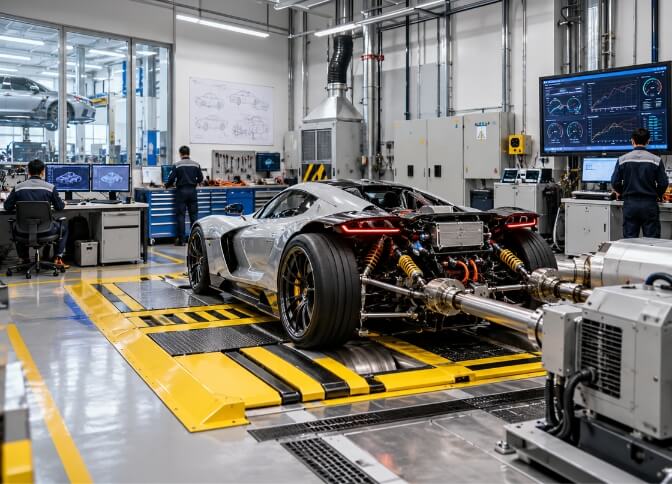
Automotive and Motorsport Engineering
1–4 Years • UG & PG
Automotive and Motorsport Engineering
What You’ll Learn
- Study vehicle dynamics, powertrain engineering, and advanced automotive design at world-class institutions
- Develop expertise in motorsport technology, aerodynamics, and high-performance vehicle systems
- Build direct pathways into the global automotive, motorsport, and electric vehicle industries
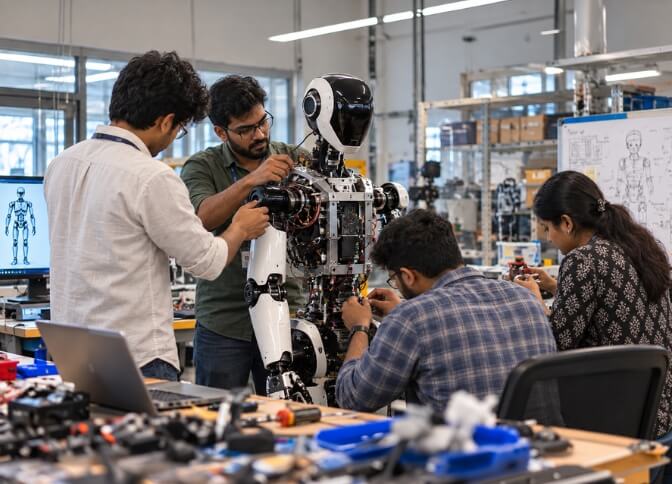
Robotics and Automation
1–4 Years • UG & PG
Robotics and Automation
1–4 Years • UG & PG
What You’ll Learn
- Advanced study in structural analysis, load assessment, and building material science
- Apply finite element modelling and structural design to real-world engineering challenges
- Build expertise sought by leading construction, infrastructure, and consultancy firms globally

Petroleum Engineering
1–4 Years • UG & PG
Petroleum Engineering
What You’ll Learn
- Study reservoir engineering, drilling technology, and petroleum production systems
- Develop expertise in energy resource management and sustainable extraction practices
- Enter one of the highest-compensating engineering disciplines in the global energy sector

Mechanical and Manufacturing Engineering
1–4 Years • UG & PG
Mechanical and Manufacturing Engineering
What You’ll Learn
- Build expertise in thermodynamics, materials science, and precision manufacturing systems
- Develop skills in automation, robotics, and advanced production engineering
- Access careers in automotive, aerospace, defence, and industrial manufacturing worldwide

Electric and Electronic Engineering
1–4 Years • UG & PG
Electric and Electronic Engineering
What You’ll Learn
- Study power systems, embedded electronics, and telecommunications engineering
- Develop practical expertise using industry-standard tools and research infrastructure
- Qualify for high-demand roles in energy, defence, and global technology industries
Mechanical and Manufacturing Engineering
Mechanical and Manufacturing Engineering
1–4 Years • UG & PG
What You’ll Learn
Build expertise in thermodynamics, materials science, and precision manufacturing systems
Develop skills in automation, robotics, and advanced production engineering
Access careers in automotive, aerospace, defence, and industrial manufacturing worldwide
Robotics and Automation
1–4 Years • UG & PG
Robotics and Automation
1–4 Years • UG & PG
What You’ll Learn
Study robotic systems design, automation engineering, and artificial intelligence integration
Develop expertise in mechatronics, programmable logic controllers, and intelligent manufacturing systems
Enter one of the fastest-growing and highest-demand engineering disciplines in the global technology sector
Civil Engineering
Civil Engineering
1–4 Years • UG & PG
What You’ll Learn
Study structural analysis, infrastructure design, and urban planning at a global level
Apply advanced engineering principles to large-scale construction and development projects
Build a career in infrastructure, transportation, and environmental engineering worldwide
Aerospace Engineering
Aerospace Engineering
1–4 Years • UG & PG
What You’ll Learn
Study aerodynamics, propulsion systems, and spacecraft design at world-class institutions
Access cutting-edge research facilities linked to global aviation and defence organisations
Build direct pathways into the international aerospace and space technology industries
Petroleum Engineering
Petroleum Engineering
1–4 Years • UG & PG
What You’ll Learn
Study reservoir engineering, drilling technology, and petroleum production systems
Develop expertise in energy resource management and sustainable extraction practices
Enter one of the highest-compensating engineering disciplines in the global energy sector
Electric and Electronic Engineering
Electric and Electronic Engineering
1–4 Years • UG & PG
What You’ll Learn
Study power systems, embedded electronics, and telecommunications engineering
Develop practical expertise using industry-standard tools and research infrastructure
Qualify for high-demand roles in energy, defence, and global technology industries
Chemical Engineering
Chemical Engineering
1–4 Years • UG & PG
What You’ll Learn
Develop expertise in process design, industrial chemistry, and reaction engineering
Apply technical knowledge across pharmaceuticals, petrochemicals, and energy sectors
Access high-demand roles in R&D, production management, and sustainable engineering
Automotive and Motorsport Engineering
1–4 Years • UG & PG
Automotive and Motorsport Engineering
1–4 Years • UG & PG
What You’ll Learn
Study vehicle dynamics, powertrain engineering, and advanced automotive design at world-class institutions
Develop expertise in motorsport technology, aerodynamics, and high-performance vehicle systems
Build direct pathways into the global automotive, motorsport, and electric vehicle industries
Frequently Asked Questions
Everything You Need to Know Before You Begin
Have questions about studying abroad? We have answers. Here are the most common questions our students ask before beginning their journey with Admission Abroad.
Yes. Numerous universities across our destination countries offer scholarships and fellowships specifically for international engineering students. Government-funded scholarships such as Fulbright-Nehru Fellowships, Aga Khan Scholarships, the Chevening Scholarship in the UK and the Australia Awards are also available to eligible Indian students. At Admission Abroad, we identify the opportunities most relevant to your profile and provide full support through the scholarship application process.
Engineering graduates from internationally ranked universities are in strong demand across every major economy. Many of our destination countries offer post-study work permits that allow you to remain and work in the country for one to three years after graduation — providing direct access to global employers and international career opportunities. Our counsellors will guide you on the post-graduation pathways available in your chosen destination.
For undergraduate engineering programmes, completion of Class 12 with strong results in Physics, Chemistry, and Mathematics is the standard requirement. For postgraduate engineering programmes, a recognised bachelor’s degree in a relevant engineering or science discipline is required. Some universities may also require GRE scores in addition to English language proficiency test results. Our counsellors will evaluate your academic profile and identify the institutions best suited to your qualifications.
GRE requirements vary by country and institution. Many universities in the United States require GRE scores for postgraduate engineering admissions. However, a growing number of institutions across the UK, Canada, and Australia do not mandate GRE scores and evaluate candidates on the basis of academic performance, work experience, and supporting documents. Our counsellors will advise you on the specific requirements of each institution on your shortlist.
Petroleum Engineering, Aerospace Engineering, Mechanical and Manufacturing Engineering, and Electric and Electronic Engineering consistently rank among the highest-demand disciplines in the global job market. Construction Management and Civil Engineering are also experiencing significant growth driven by infrastructure development worldwide. Our counsellors will help you identify the discipline that aligns with both your technical strengths and the employment landscape of your chosen destination.
Yes. Numerous universities across our destination countries offer scholarships and fellowships specifically for international engineering students. Government-funded scholarships such as Fulbright-Nehru Fellowships, Aga Khan Scholarships, the Chevening Scholarship in the UK and the Australia Awards are also available to eligible Indian students. At Admission Abroad, we identify the opportunities most relevant to your profile and provide full support through the scholarship application process.
Engineering graduates from internationally ranked universities are in strong demand across every major economy. Many of our destination countries offer post-study work permits that allow you to remain and work in the country for one to three years after graduation — providing direct access to global employers and international career opportunities. Our counsellors will guide you on the post-graduation pathways available in your chosen destination.
Ready to Take the First Step Towards Your Global Future?
Our expert counsellors are available to evaluate your profile and guide you — at no cost.